The Pangolin flaw that broke isolation between organizations
A Pangolin flaw let one organization route traffic into another’s network. GitHub credits Liam Giannini of Webcracy with finding it. Version 1.27.0 contains the fix.
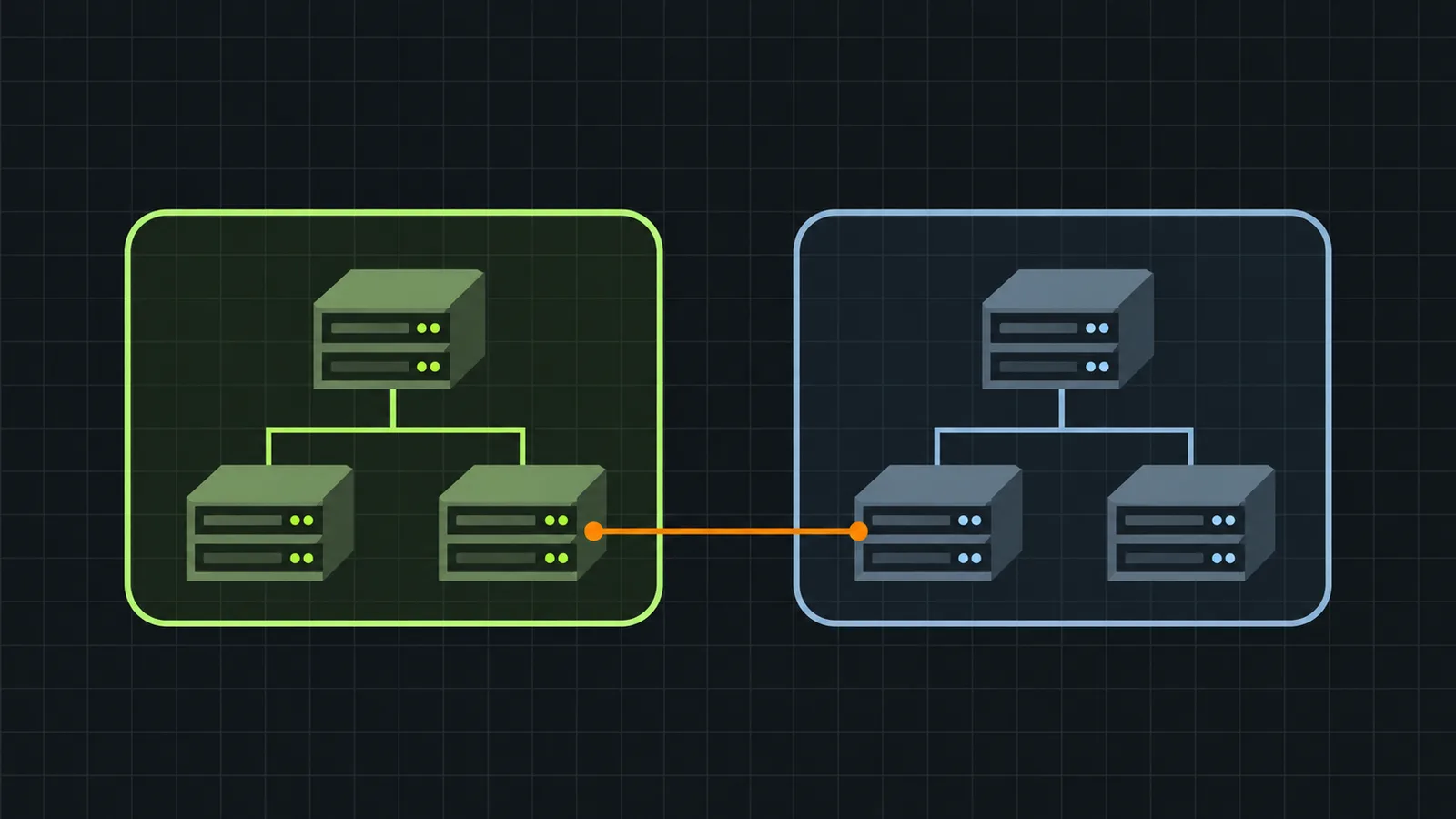
Say a firm and its IT provider use the same Pangolin instance, each with its own organization. The provider can configure its own services. That permission should end where the firm’s network begins. In versions before 1.27.0, the check that should have enforced that boundary was missing when Pangolin saved the traffic destination.
On November 19, 2026, the Pangolin maintainers published advisory GHSA-9xxh-cx3p-fx3m, rated 9.6 out of 10 on CVSS, and released version 1.27.0. The advisory credits Liam Giannini (Liam-G on GitHub), security researcher and Webcracy co-founder, as the finder. Thanks to the maintainers for the fix and to ohxorud-dev, DavidCarliez, and Santoshkumarpuppala, who are credited as reporters.
The boundary a traffic destination has to respect
Pangolin combines a reverse proxy with access to remote networks through tunnels. In the project’s terminology, a resource is what a user accesses, such as a web application. A site connects the network hosting the application to Pangolin. A target is the destination to which the resource’s traffic is forwarded. On a shared instance, the relationship between those objects is part of what keeps the organizations separate.
The flaw came down to an incomplete authorization check. Pangolin could save a binding between a resource and a site without verifying that both belonged to the same organization. Someone who could configure a resource in their own organization could therefore point it at another organization’s infrastructure.
The advisory documents that Pangolin saved a binding across organizations. In a live deployment, the consequences depend on the network topology and which services are reachable through the site. Pangolin lists unauthorized routing and data exposure as possible effects. For a provider hosting multiple customers on the same instance, that is what makes the flaw critical. Write permissions delegated to one customer can have consequences beyond that customer’s network.
What to check after updating
If you run a Pangolin instance, update to 1.27.0 or later. Follow the release notes and back up your configuration data before updating. Afterwards, review the destinations already configured, starting with instances that host multiple organizations. For each resource, verify that the sites attached to it belong to the expected organization. If you find an unexpected binding, preserve the available logs and establish when it was created and what traffic it may have routed.
We asked a similar question when we looked at Semaphore UI. When an operation ties two objects together, permission over the first tells you only half of what you need to know. In our security reviews, we also look at who owns the other object and how the application enforces that boundary.
HAVE A PROJECT?
Let's discuss how we can help your business with custom digital solutions.
CONTACT US